
December To March
6-Day Ndutu Great Migration Safari
Seasonal migration action in Ndutu with a full Ngorongoro Crater safari.
From $2.310 per person

Northern Circuit Guide
Everything most travellers need to understand Tanzania well: parks, migration timing, route structure and what makes the country so strong for safari.

Tanzania is one of the most complete safari destinations in Africa. The country offers huge landscapes, famous wildlife areas, strong predator sightings and a route structure that works very well for private travellers. For many people, the northern circuit remains the natural starting point because it combines Tarangire, Ngorongoro, the Serengeti and often Lake Manyara in one coherent trip.
What makes Tanzania especially attractive is the range of experiences available inside one journey. You can focus on elephants and baobabs in Tarangire, spend time in the Ngorongoro Crater, then move into the Serengeti for wider plains and migration timing. The trip can also finish with a few nights in Zanzibar, which is one of the cleanest beach extensions available after safari.
Tanzania works year-round, but different months suit different goals. June to October is the classic dry-season period, with easier wildlife visibility and broad appeal for first-time travellers. January to March is excellent for the calving season around Ndutu in the southern Serengeti ecosystem. July to October is especially attractive for travellers trying to align with migration movement in the north.
Many travellers arrive with a rough idea of safari pricing but not a clear idea of what is actually driving it. Tanzania is not the cheapest safari destination in Africa, but it often offers one of the strongest overall returns because the route quality is so high. Once you combine the Serengeti, Ngorongoro and well-located lodges into one journey, the trip feels much more complete than many lower-cost alternatives.
In practical terms, a well-built private mid-range Tanzania safari often lands around USD 2,300 to USD 3,800 per person for a shorter classic route, while stronger 8 to 9 day itineraries with better lodge positioning or internal flights can move into the USD 4,000 to USD 6,500+ per person range. Exact cost depends on season, lodge level and how much of the Serengeti is being protected in the route.
For a first Tanzania safari, we usually recommend 7 to 9 days on the ground. That allows enough time to avoid rushing the route and gives the Serengeti the space it deserves. A common strong structure is Tarangire, Ngorongoro and at least three nights linked to the Serengeti. Shorter trips are possible, but the experience becomes more compressed.
Tarangire is excellent for elephants, baobabs and a quieter opening to the trip. Ngorongoro offers one of the highest-impact single safari days in East Africa. Serengeti is the emotional centre of many itineraries because of its scale, predator density and migration significance. Lake Manyara works well as a scenic, compact stop depending on the route and lodge plan.
For a northern circuit safari, international arrivals usually make most sense through Kilimanjaro. That keeps the first transfer simple and gives the route a clean start from Arusha. If Zanzibar is part of the same trip, many travellers arrive through Kilimanjaro and leave through Zanzibar, or vice versa, depending on flight availability and timing.
That also matters for the total budget. International flight prices can easily sit in the USD 1,000 to USD 1,500+ range on many long-haul routes, so travellers should think about the trip as one combined budget: international flights first, then the safari structure on the ground.
Tanzania is one of the easiest places to build a safari that feels complete without becoming overly complicated. The sequence of parks is logical, the scenery changes meaningfully from one stop to another and the country offers a natural beach extension without forcing travellers to change regions entirely. That combination is hard to match.
6 days – Ndutu and Southern Serengeti: Best from December to March, with a strong focus on calving season and predator action. Includes Ndutu, Ngorongoro and a well-paced safari structure for travellers prioritising wildlife intensity.
8 days – Full Northern Circuit: Tarangire, central or northern Serengeti, Ngorongoro and Lake Manyara. This is often the best balance between wildlife depth, landscape variety and overall flow.
9 days – Safari and Zanzibar: A classic combination for couples or travellers who want both game drives and beach time, usually with safari first and island relaxation afterwards.
For searches like Tanzania safari prices, best time for a Tanzania safari or Tanzania safari itinerary, this guide brings the key planning points together in one place.
These are not generic placeholders. They are active itineraries that match the route logic, timing and pacing described in this guide.
December To March
Seasonal migration action in Ndutu with a full Ngorongoro Crater safari.
From $2.310 per person

Luxury Safari
Tarangire, Northern Serengeti migration routes, Ngorongoro and Lake Manyara.
From $6.545 per person
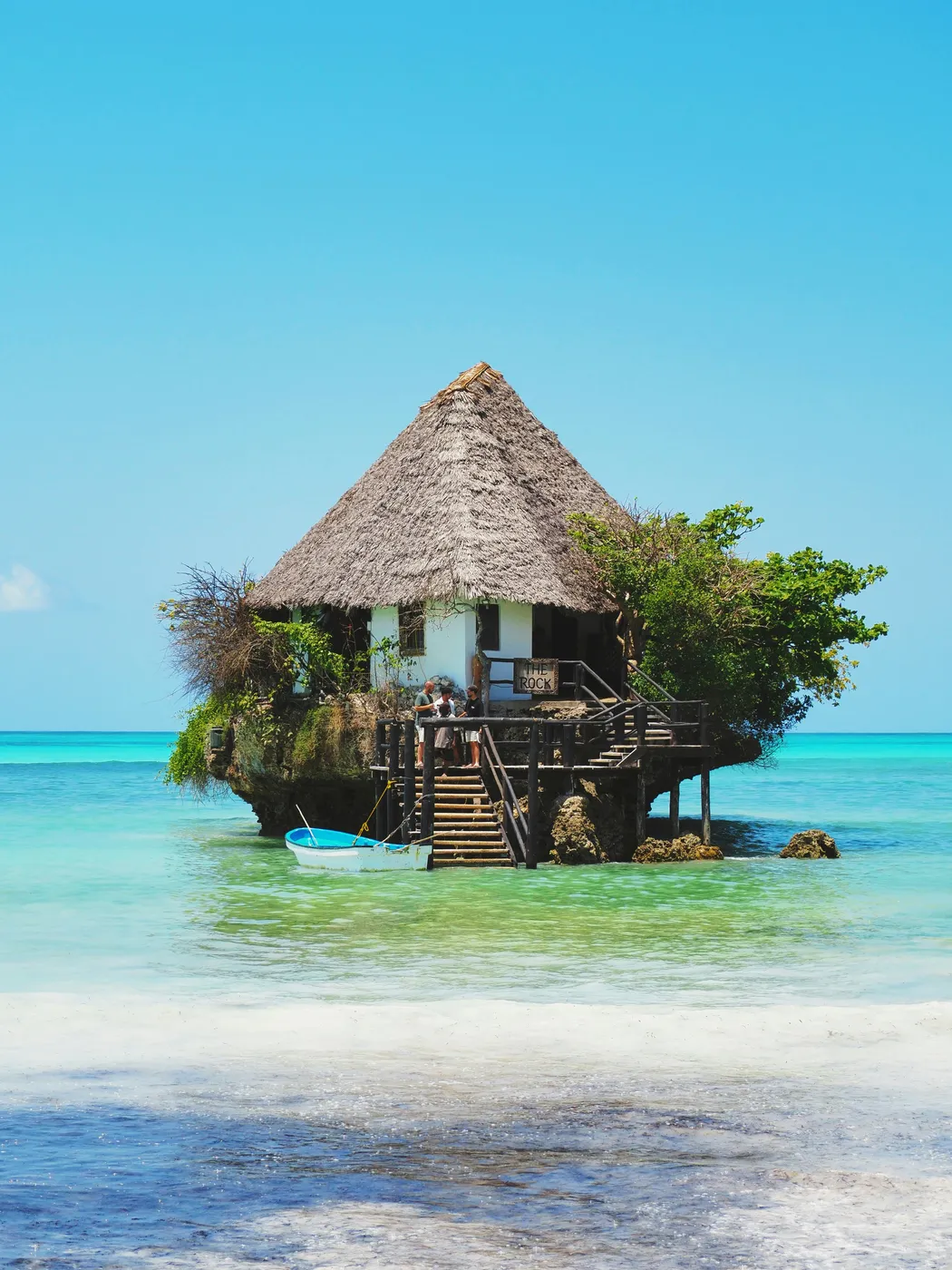
June To July 2026
Private honeymoon safari in Tarangire National Park with a stay at Manyara Secret Lodge and beach days at Next Paradise in Zanzibar.
From $3.580 per person
Tanzania works year-round, but June to October is the classic dry season and January to March is especially strong for Ndutu and calving season.
We usually recommend 7 to 9 days on the ground for a first Tanzania safari so the route feels well paced rather than rushed.
Yes. It is one of the strongest safari-and-beach combinations in Africa and works especially well for couples and honeymoon travellers.
Message us and receive a tailored proposal within 24 hours.